
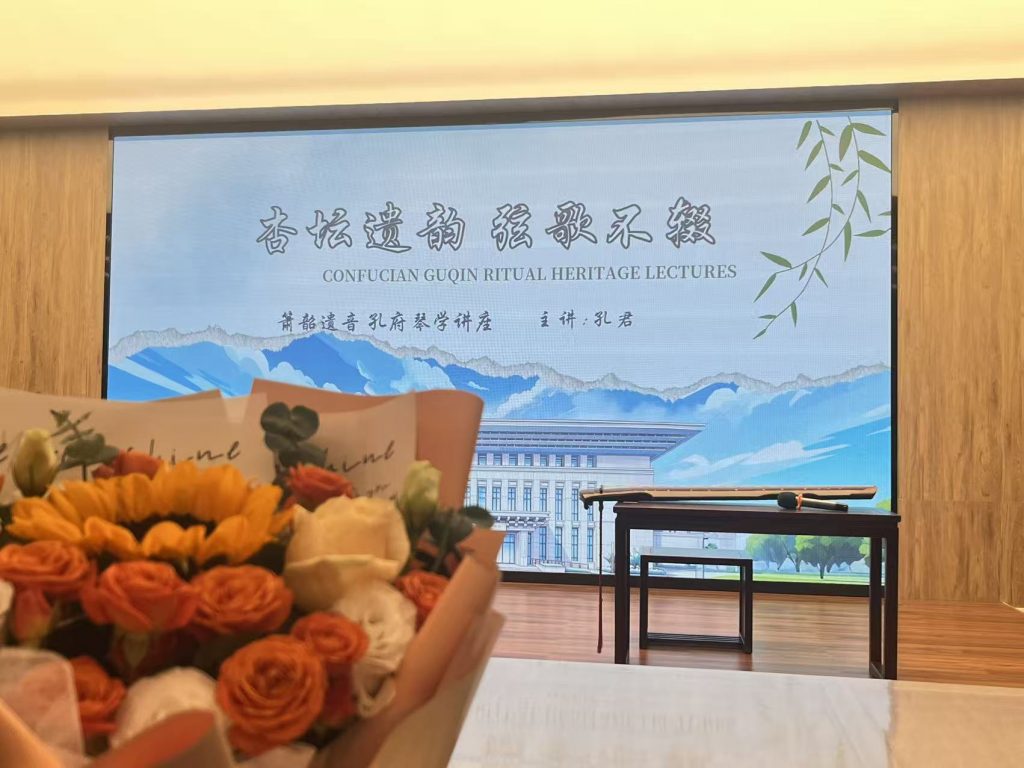
Qufu Normal University Chinese Teachers Museum Successfully Holds “The Timeless Music of the Apricot Altar” Guqin Salon.
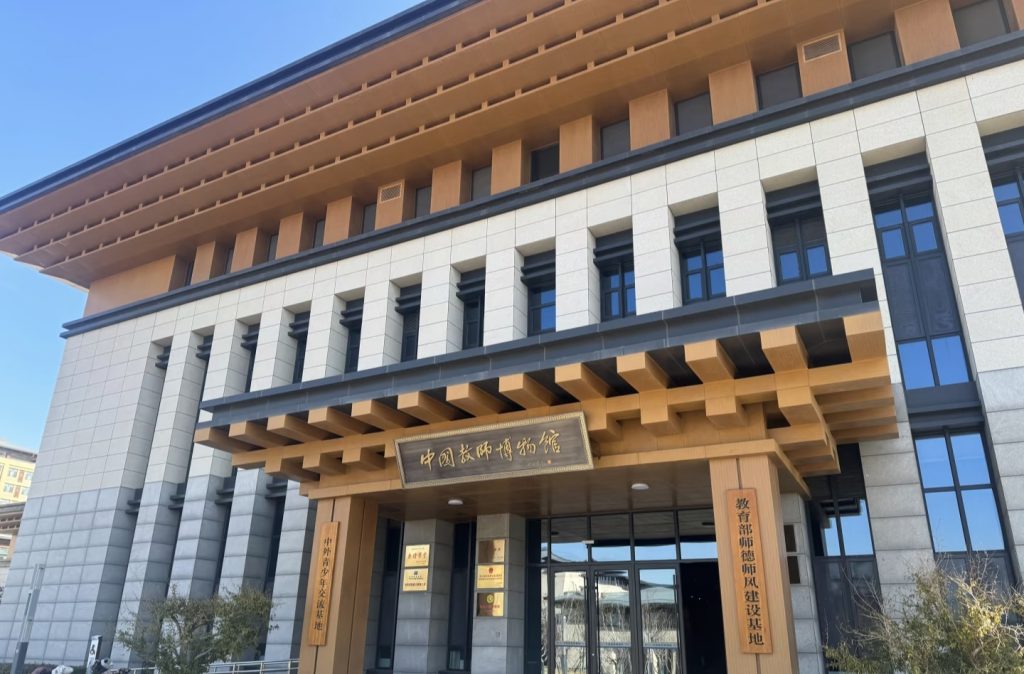
In celebration of the 2026 International Museum Day, and as part of ongoing efforts to promote the dissemination of fine traditional Chinese culture while introducing the intangible cultural heritage art of the guqin to university campuses and the international community, the Chinese Teachers Museum of Qufu Normal University successfully hosted a guqin salon on May 17 at 2:00 p.m., under the theme “The Timeless Music of the Apricot Altar.”
At the invitation of the Cultural and Creative Association of Qufu Normal University, Xiaoshao Guqin Studio, led by instructor Mr. Kong Jun and accompanied by two young practitioners, presented a scholarly lecture entitled “The Confucian Musical Heritage in the Kong Family School Tradition,” followed by an elegant stage performance. The event drew students from a wide range of academic disciplines, as well as a diverse cohort of international students, all gathered to partake in this cultural occasion.
Through a thoughtfully curated program encompassing thematic lectures, classical repertoire performances, and immersive hands-on experiences, the salon offered faculty members, students, and guqin enthusiasts a rare opportunity to intimately engage with the Confucian ethos embedded in guqin ritual and music culture. The event stood as a cultural feast where antiquity and modernity converged in harmony, and where Chinese and international audiences came together in shared appreciation.
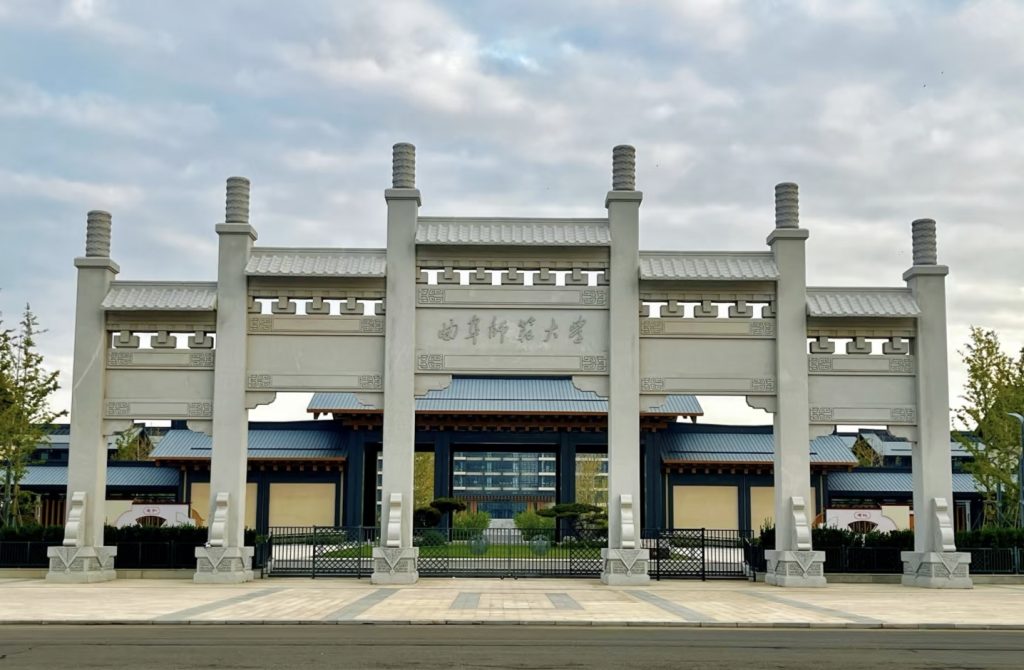
Activating Traditional Ritual and Musical Heritage within the Museum Framework
Closely aligned with the core mission of cultural dissemination embodied by International Museum Day, this guqin salon took “Rites and Music at the Apricot Altar” as its central theme, deeply integrating the guqin—a UNESCO-recognized world intangible cultural heritage—with the local Apricot Altar culture and the Confucian tradition of ritual and music education in Qufu. The event aimed to break down barriers in the transmission of traditional culture, immersing students in the beauty of classical ceremonial music. At the same time, with the guqin serving as a cultural bridge, it showcased the unique charm of fine traditional Chinese culture to guqin enthusiasts both at home and abroad, thereby advancing the transmission of traditional rites and music among younger generations and facilitating their global outreach.
During the preparation of the event, instructor Mr. Kong Jun remarked: “The guqin is an artistic vessel that has carried the integrity of literati and the spirit of ritual and music for millennia. Rooted in the rich cultural soil of Qufu, we carry forward the core civilizational achievements of the Kong family tradition. Bringing this heritage into university campuses and presenting it to both Chinese and international students through lectures and performances is not only a continuation of the cultural lineage of the Apricot Altar, but also a vital means of breathing new life into these ancient melodies.”
Lectures and Performances in Harmony, Classical Music Nourishing the Heart and Mind
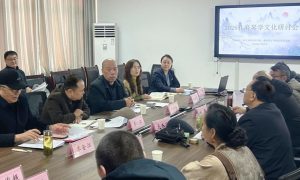
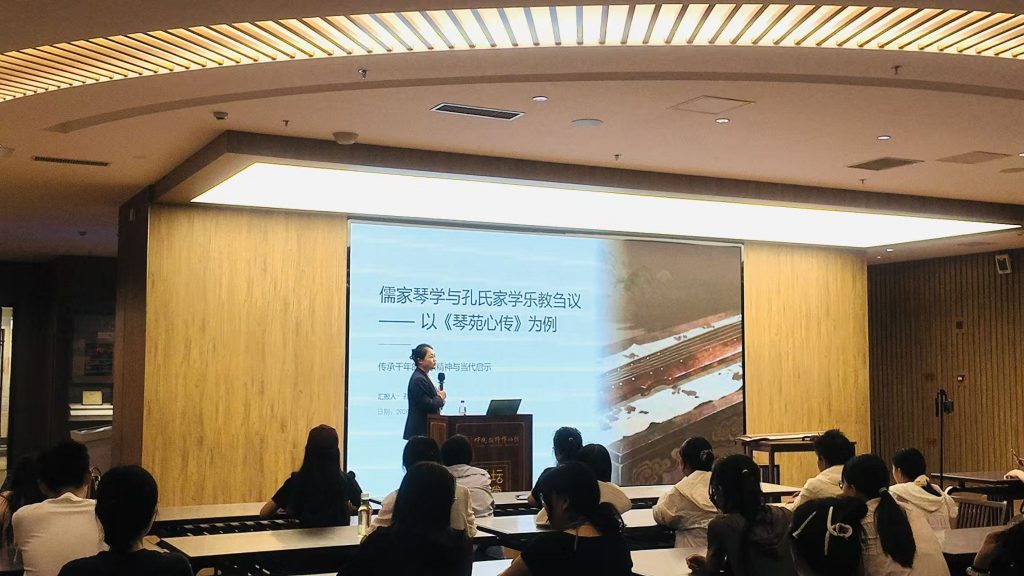
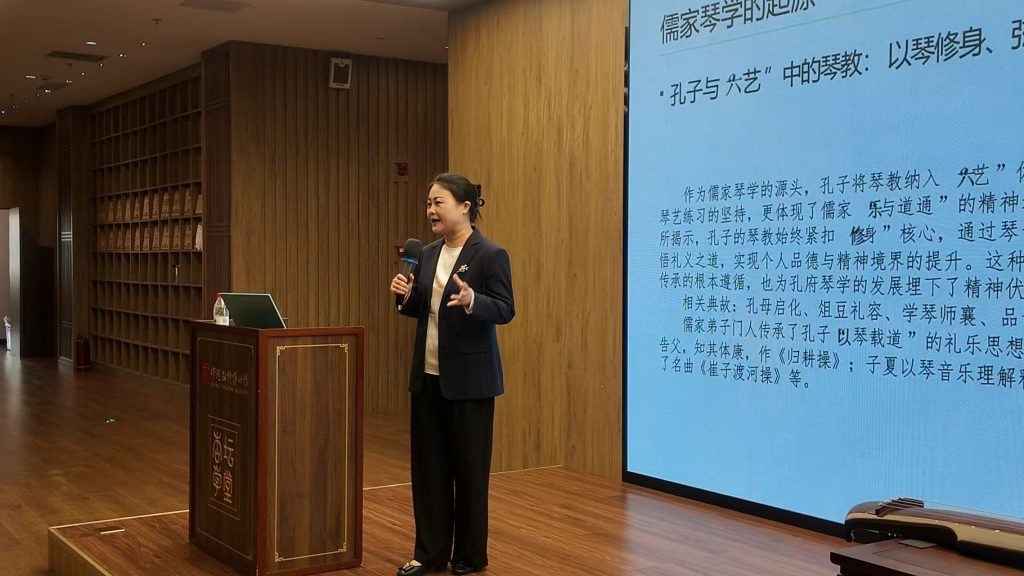
The event commenced with a thematic lecture delivered by instructor Mr. Kong Jun, titled “The Confucian Musical Heritage in the Kong Family School Tradition.” Centering on the historical origins of the guqin, its ritual and musical significance, the current state of its transmission, and the philosophy of qin practice, Mr. Kong drew upon his years of scholarly research and teaching experience to offer an accessible yet profound interpretation of the literati spirit and Eastern aesthetics embedded in guqin culture. He also provided a detailed exposition and research report on the monumental work of Kong family qin scholarship, Qinyuan Xinchuan Quanbian (The Complete Transmission of the Qin Garden). The lecture struck a fine balance between academic rigor and popular accessibility, thoughtfully tailored to the cognitive characteristics of the student audience, who listened with rapt attention and took careful notes throughout. As the lecture concluded, the audience erupted in prolonged and enthusiastic applause, deeply moved by the presentation in an atmosphere both warm and inspiring.
Following the lecture, the performance segment began. Ren Kexuan, a young practitioner from Xiaoshao Guqin Studio, took the stage first to perform the classic qin piece “Weibian Sanjue” (Leather Thongs Thrice Broken). Her playing, steady and resonant, with measured undulations, paid tribute to the sage Confucius and his spirit of diligent scholarship. Next, instructor Mr. Kong Jun himself performed the timeless masterpiece “Youlan” (Elegant Orchid). The melody, pure and ethereal with lingering depth, evoked the noble grace of the orchid, giving expression to the ancient literati ideal of tranquil aspirations and far-reaching vision—its delicate resonance striking straight to the heart. Finally, student Liu Mingjia took the stage to perform the classic farewell piece “Yangguan Sandie” (Three Variations on the Yang Pass). The music, tender and melodious, unfolded in deepening layers, seamlessly blending classical poetry with the tonal beauty of the guqin, and offering the audience an immersive audiovisual experience. These three exquisite performances allowed faculty, students, and international friends alike to truly appreciate the unique charm of the guqin as an intangible cultural heritage art.
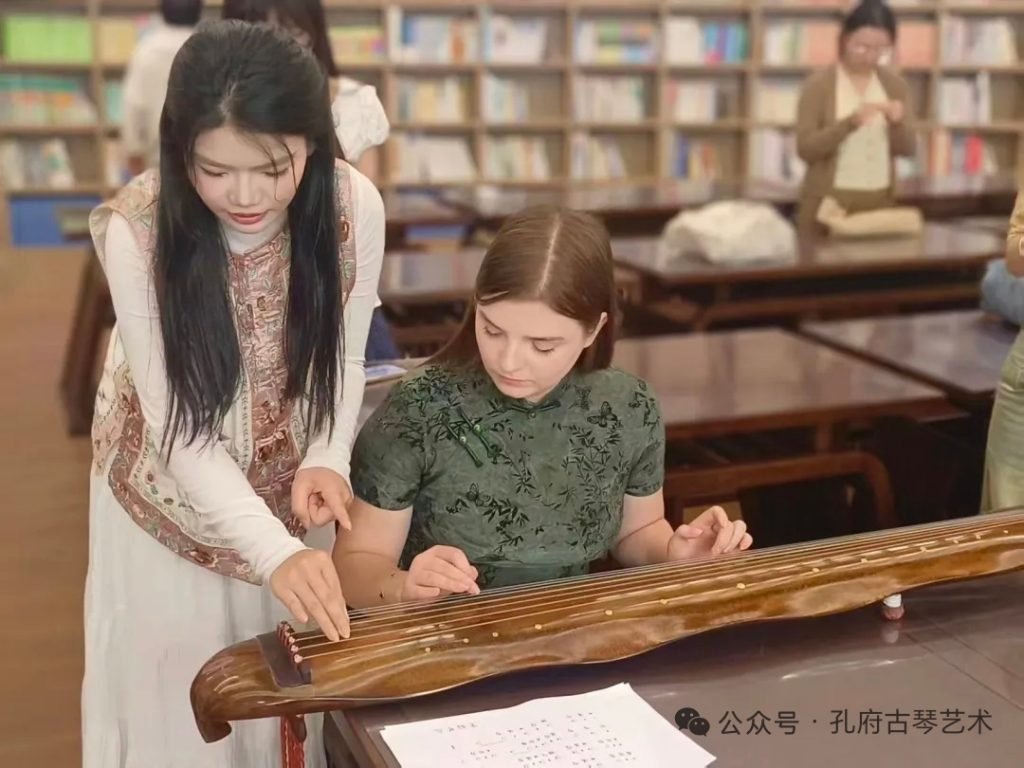
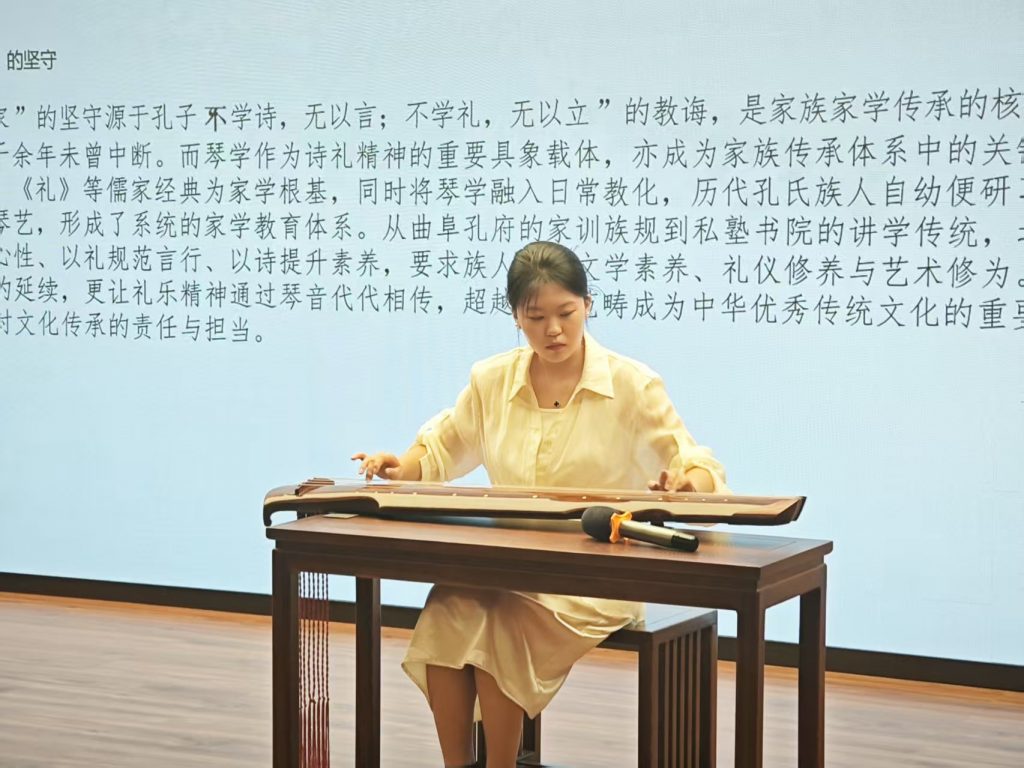
Immersive Participation for All, Cross-Cultural Appreciation Without Borders
As the performance segment drew to a close, the event moved into its most popular component: the hands-on experience session. Faculty and students enthusiastically signed up to try their hand at playing the guqin. Under the one-on-one guidance of Mr. Kong Jun and his disciples, participants—most of them absolute beginners—attempted to pluck the strings and experience firsthand the tonal texture and joy of guqin playing. To the organizers’ pleasant surprise, the international students present displayed extraordinary enthusiasm, actively stepping forward to try the instrument, eagerly inquiring about guqin cultural knowledge and musical characteristics, and immersing themselves in the experiential appreciation of traditional Chinese ritual and music culture.
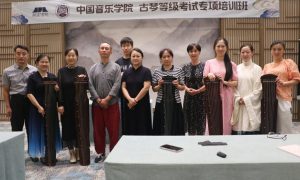
As the event drew to a close, all participants moved to the front of the stage for a group photograph, capturing this elegant cultural gathering that bridged antiquity and modernity, and connected China with the wider world.
An Enduring Melody, A Living Cultural Legacy
The “Timeless Music of the Apricot Altar” guqin art salon was a vivid and dynamic initiative by the Cultural and Creative Association of Qufu Normal University, grounded in the spirit of International Museum Day, dedicated to enriching campus cultural life, and committed to revitalizing the transmission of intangible cultural heritage. With the guqin as its medium, the event organically integrated museum-based education, intangible cultural heritage dissemination, and Sino-foreign cultural exchange. It not only enriched the cultural tapestry of campus life and enhanced the cultural confidence and humanistic literacy of young students, but also, through a mode of communication that is both youth-oriented and globally minded, ensured that the cultural lineage of Qufu’s Apricot Altar and the millennia-old melodies of the guqin are passed down from generation to generation.
Kong Jun
A native of Qufu, Shandong — the hometown of Confucius — Kong Jun is a 76th-generation descendant of the Confucius lineage, the rightful heir to the tradition of Kong Family ceremonial music, and the founder of the artistic exchange team dedicated to the Kong Family guqin tradition and the authentic sounds of classical ceremonial music.
She currently serves as Instructor at the Zhisheng Ritual and Music Transmission Institute of the Qufu Confucius Academy, Secretary-General of the Confucius Artists Association, Council Member of the Jining Guqin Society, Founder of Xiaoshao Guqin Studio, and Instructor at the Confucius Guqin Cultural Exchange Center. She also holds the concurrent position of Deputy Director of the Qufu Poetry, Ritual, and Ceremonial Music Troupe. Kong Jun stands as a leading figure in the living transmission of China’s Kong Family qin scholarship and ancient classical ritual music.
Immersed since childhood in the ritual and musical heritage of Que Li — the sacred birthplace of Confucius — Kong Jun has inherited the profound foundations of the Kong Family tradition of qin music. She has devoted herself to intensive study of such rare and canonical works of Kong Family qin scholarship and musical temperament as the Dacheng Yuelü Quanshu (Complete Compendium of Great Achievement Music and Temperament) and the Qinyuan Xinchuan Quanbian (Complete Transmission of the Qin Garden). Through years of dedicated effort, she has focused on the textual research, restoration, recomposition, and performance of long-lost Kong Family guqin compositions and chapters of the Great Achievement Ceremonial Music. She has accurately revived the ancient playing techniques of the Kong Family guqin and the balanced tonal principles of classical ceremonial music, fully preserving the orthodox lineage of Kong Family qin music and resolving numerous challenges that once threatened the continuity of this ancient musical tradition. Through her work, the authentic sounds of Kong Family qin music, once on the verge of extinction, have been brought back to vibrant life.
For guqin instruction, guqin purchase, traditional Chinese culture study programs, educational tours to the hometown of Confucius, Confucius memorial ceremonies, cultural and artistic exchanges, lectures, and related events, please contact: chinaguqin@outlook.com .
Address: Confucius Cultural Park, Dacheng Road, Qufu City, Shandong Province, China.